HISTORY « Maynards Market & Kitchen

HISTORY OF THE DEPOT AND MAYNARDS MARKET & KITCHEN

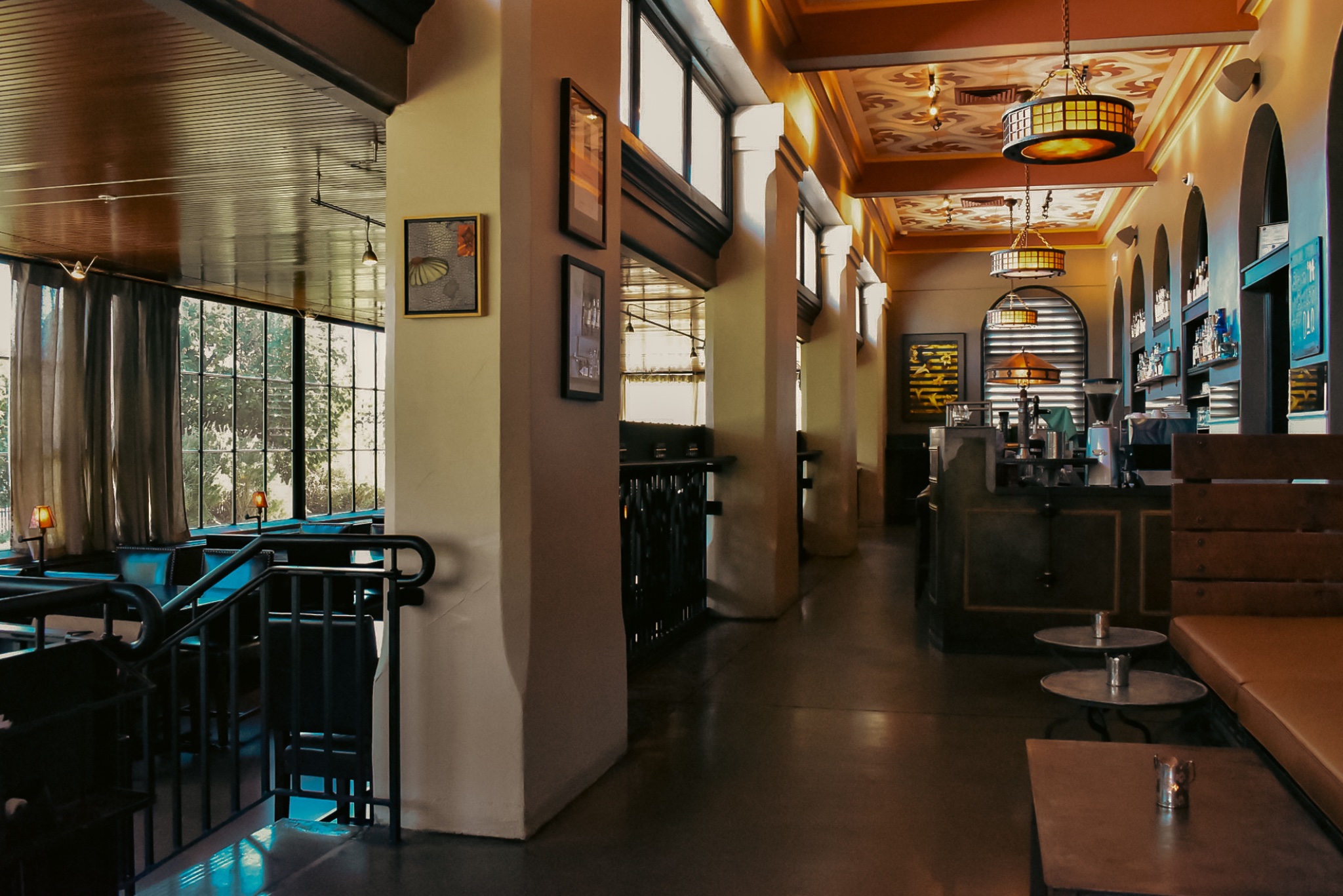
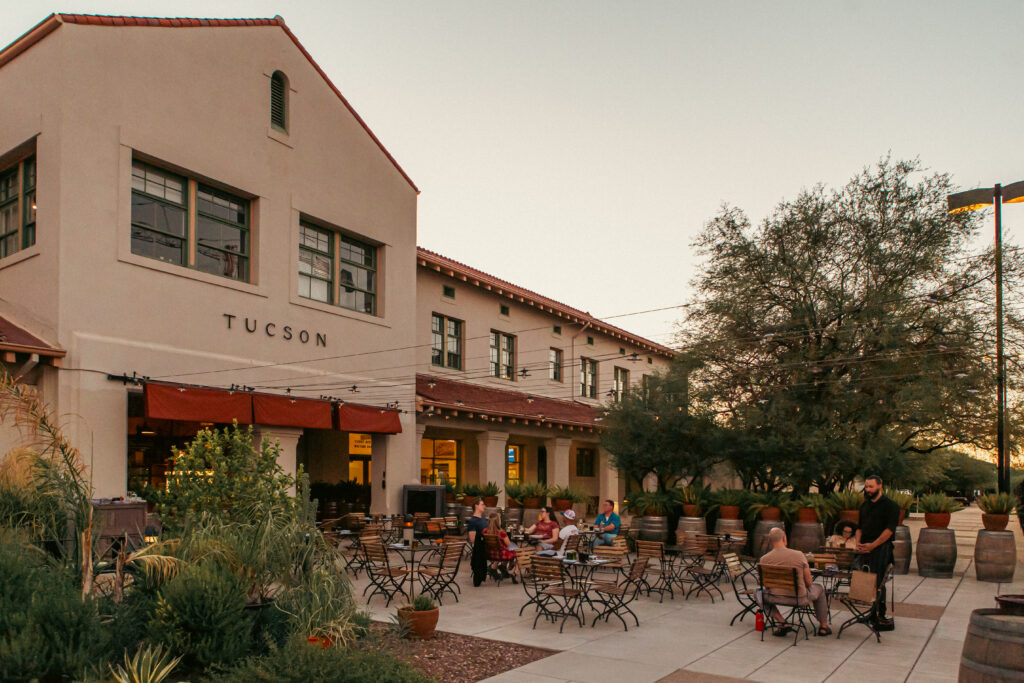
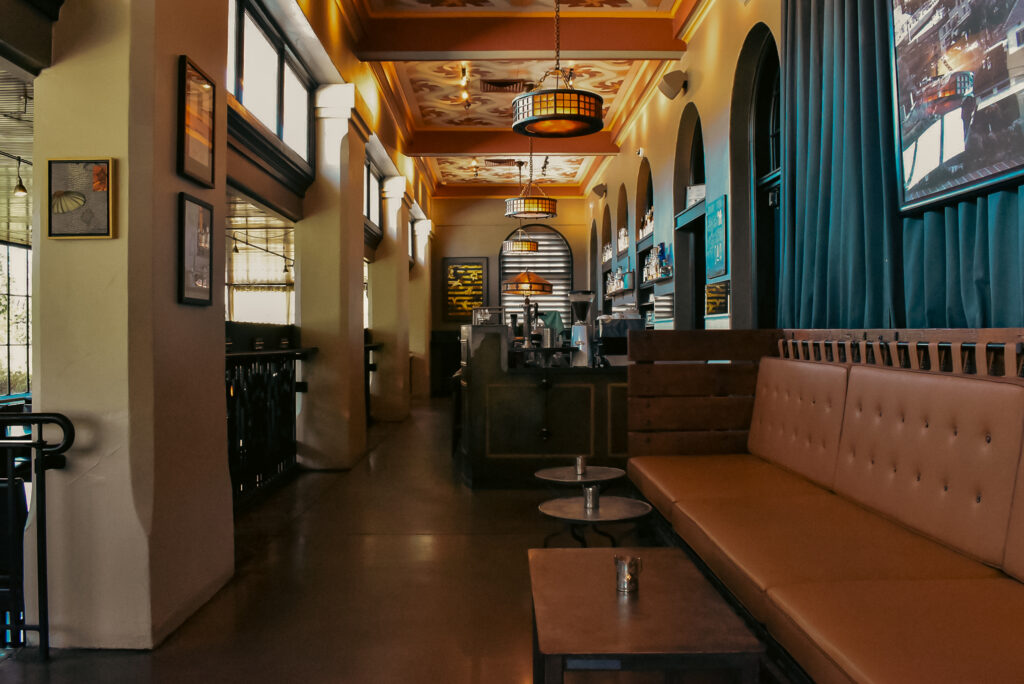
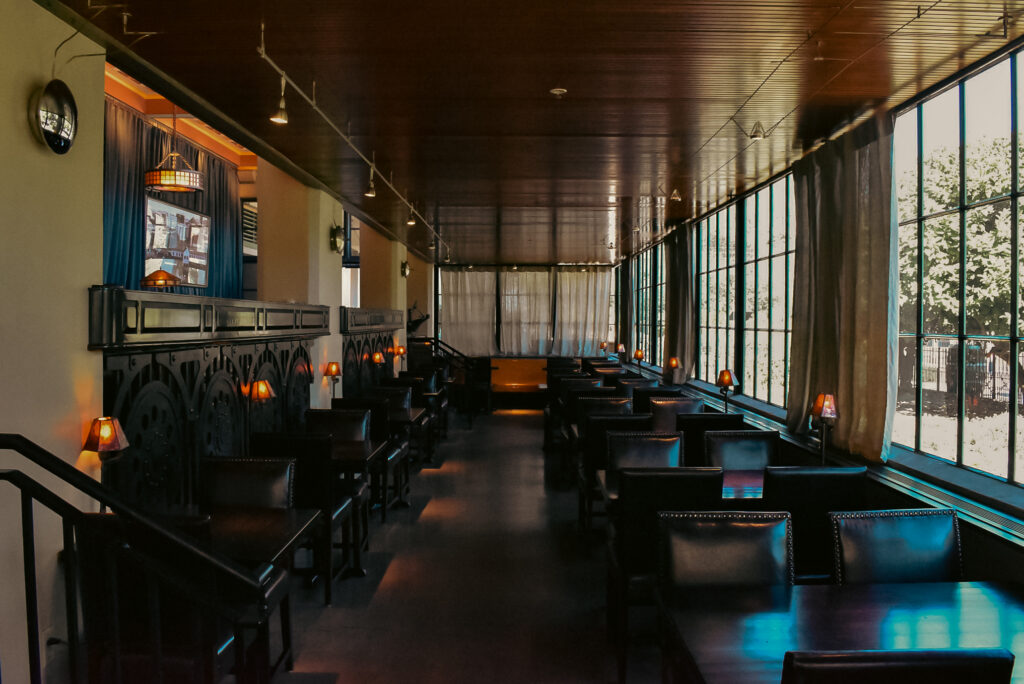
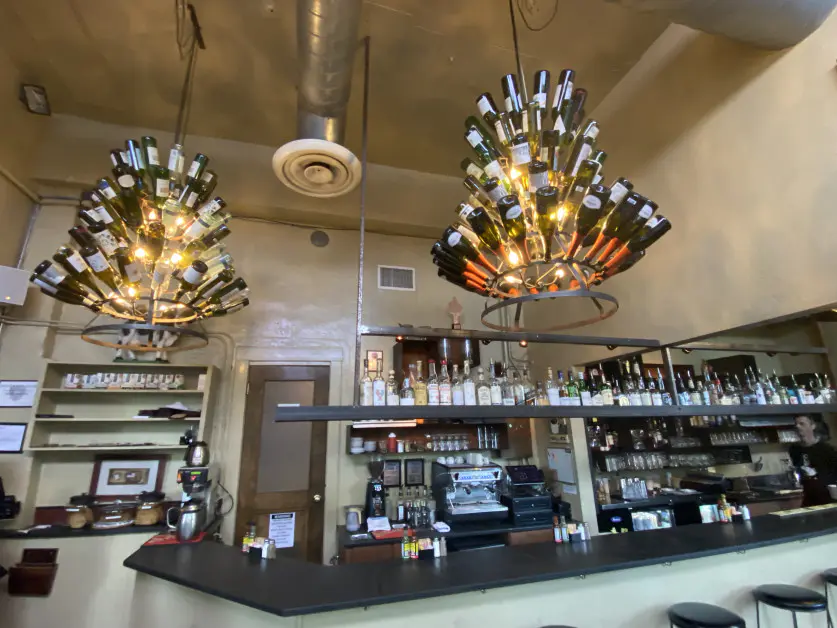
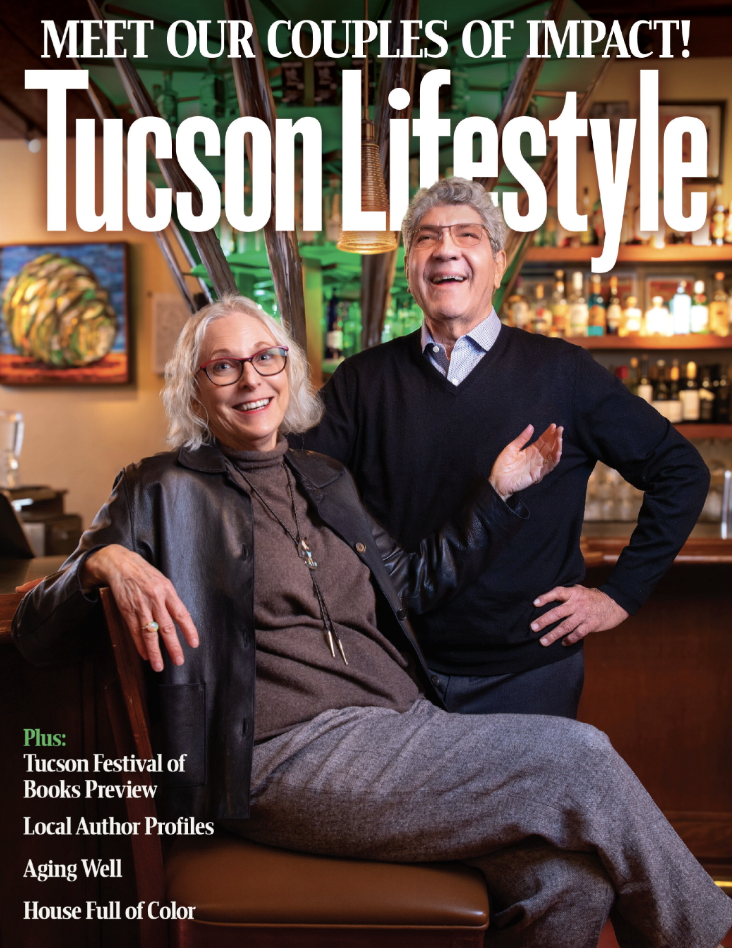
Hotel Congress owners, Richard & Shana Oseran found a way to bring activity and community back to the Depot. In conjunction with the City, they have worked to create Maynards Market & Kitchen. Honoring a long-standing Tucson historic icon with the name, the vision is for Maynards to become a community gathering place once again.

On March 20, 1880, Tucson welcomed Southern Pacific Railroad and the first train depot was constructed. Tucson was a small town at that time and the introduction of the railroad changed its course in history. In the beginning it was still the Wild West. Only two years later, Wyatt Earp and Doc Holliday had a shoot-out with Frank Stilwell on the tracks by the west-end of the depot. There are statues and plaque commemorating the event.

In 1902 Maynard L. Flood, then only 15, joined Southern Pacific; his tenure with the railroad would make him local railroad icon. Flood was trusted for many important journeys during his long career; transporting both President Franklin D. Roosevelt and President Herbert Hoover. After 52 years of service with Southern Pacific, Maynard L. Flood retired in June, 1954.

In 1994, the City renovated the Depot and the outlying buildings to their 1941 architectural style. Southern Pacific Steam Locomotive #1673 was relocated to the depot in December 2002. The locomotive logged over a million miles before it was retired.

The Depot remains an active station and an historic building. Passenger trains arrive and leave the station four to five nights a week. Guests are encouraged to visit the Southern Arizona Transportation Museum and Locomotive #1673 at the west end of the plaza, and stop and see Wyatt Earp and Doc Holliday statues standing nearby.

MAYNARD DIXON
Maynard Dixon, born in Fresno, California in 1875, is a noted painter and illustrator of the early 20th-century American West, especially the desert, Indians, early settlers, and cowboys. Encouraged early in his career to travel east, Dixon found his passion for painting in the landscapes and peoples that decorated remote Montana, Utah, Nevada, Arizona, and New Mexico. When he returned to California, Dixon became known as both an artist and a cowboy; determined to impart a Western Style; adorned with a black Stetson, cowboy boots, and a bolo tie.

On his trips through the Southwest, Dixon was able to capture the raw beauty of the wild, open territory he found on his trips to Tucson, ultimately making the city his home in 1938. He spent the last of his days in his Old Pueblo home, watching the sun rise and set over the Catalinas. Having contributed his paintings to art collections around the world, including the U.S. Department of Indian Affairs, the Smithsonian Art Museum, and collections around the South west, Dixon is internally famous for his captivating works of Southwest Art.

Dixon agreed to paint his first murals—four lunette-shaped canvases—for the new train depot in Tucson in 1907, now known as the Historic Train Depot and the home to Maynards’ Market and Kitchen. Dixon’s incredible contribution to the artistic world of the southwest, and specifically his contribution to the building where Maynard’s Market and Kitchen sits, is honored in the name of the restaurant.